ASSET OWNER Transport for NSW
Contractor Next Gen Building and Design
Sector Transport Infrastructure
Products
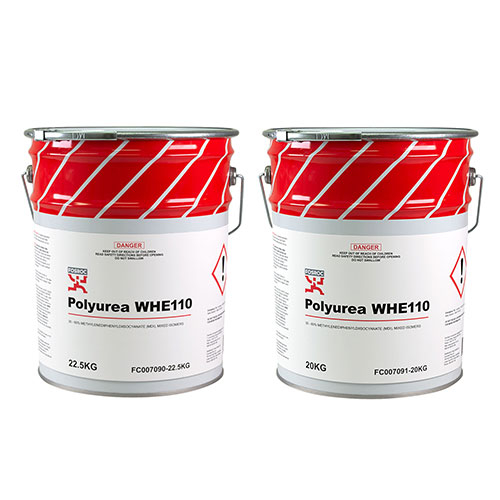
- Polyurea WHE110
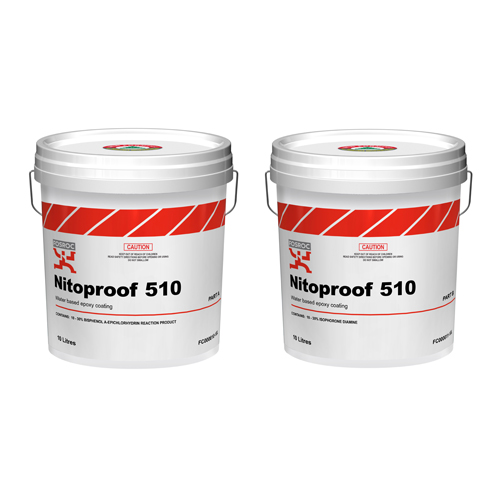
- Nitoproof™ 510
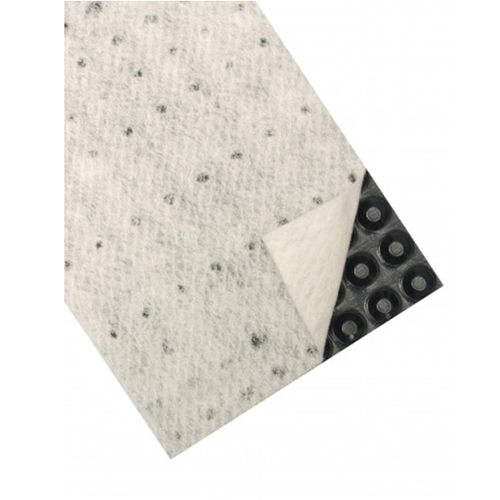
- Proofex® Sheetdrain 81
THE PROJECT
Transport for NSW engaged Fosroc ANZ to recommend and supply a suitable system to transform part of a rarely-used 70-metre bridge over a busy motorway south of Sydney into a wildlife crossing. The addition of soil, plants and habitat to the original bridge required a robust waterproofing solution to protect the underlying concrete substrate from water ingress.
A unique waterproofing project, protecting our native fauna
A bridge over the busy Princes Motorway south of Waterfall in New South Wales has been given a new purpose, with part of the existing structure transformed into a wildlife crossing that enables animals to safely travel between different areas of bushland. Known as Cawleys Bridge, the project links Heathcote National Park to Garawarra State Conservation Area and the Royal National Park. The retrofit is designed to provide a safer route for koalas, wombats, gliders, possums and other native species.
Prior to its repurposing, the existing 70-metre-long, 7.5-metre-wide bridge was rarely used, and only by service and emergency access vehicles. The retrofit dedicates 3.5 metres of the structure's width to wildlife, while retaining four metres for emergency and management vehicle access. The wildlife section has been designed to resemble the surrounding habitat, incorporating soil, vegetation, logs and elevated ropes and structures.
For Fosroc ANZ, the challenge was to provide a robust waterproofing solution beneath this new living landscape.
The challenge of waterproofing a native habitat on a bridge
Although the existing concrete bridge was in relatively good condition, the addition of soil and vegetation introduced a new waterproofing requirement. A large garden-bed-style area was created on the wildlife side of the bridge, and the concrete substrate beneath it needed protection from water ingress. Fosroc Polyurea WHE110, a spray-applied waterproofing membrane, was selected to waterproof this area beneath the soil, vegetation, logs and other habitat features.
According to Fosroc ANZ Account Manager, Geoff Owen, the product was well suited to the unusual geometry of the project.
“Because Polyurea WHE110 is spray applied, applicators could efficiently form a continuous membrane across irregular surfaces,” he said.
This offered a practical advantage over a sheet membrane on a surface that was far from a straightforward, flat deck.
Application steps
In consultation with the Fosroc ANZ team and product Technical Data Sheets, the experienced applicators from NextGen Building and Design took the following approach to prepare and waterproof the bridge deck:
- Step 1: The existing concrete surface was ground and prepared to provide a suitable substrate for the waterproofing system.
- Step 2: Nitoproof™ 510, a two-part epoxy primer, was applied to the prepared substrate as a primer coat.
- Step 3: Polyurea WHE110 was spray applied across the garden-bed area, including around irregular details and upstands.
- Step 4: Proofex® Sheetdrain 81, a dimpled drainage and protection sheet, was installed over the membrane to protect it from the soil, rocks and other materials above.
- Step 5: A layer of soil, vegetation and habitat features was then installed above the protected waterproofing system.
Application ease and fast curing keep the project moving
Brent McIntosh from NextGen Building and Design praised Polyurea WHE110 for its ease of application and curing speed.
“The Polyurea WHE110 membrane dried in around 15-20 seconds, meaning spraying could be completed very quickly. We applied the membrane to the whole 200 sqm area in a single day!" he said.
"Polyurea WHE110 also offers a superior finish compared to other similar products, and I love that it runs problem-free through our state-of-the-art spray machine."
Once the Polyurea WHE110 membrane had been applied, Proofex Sheetdrain 81 was installed as a protective drainage layer between the waterproofing membrane and the soil, rocks and other material forming the wildlife habitat.
The complete remediation and waterproofing project, including the substrate preparation phase, took approximately two weeks.
Fosroc ANZ support from specification to site
From the outset of this project, the Fosroc ANZ team worked closely with Transport for NSW.
"Transport for NSW sought our recommendation on an appropriate waterproofing solution, methodology and product delivery schedule," said Geoff. “Although Cawleys Bridge is relatively close to Sydney and Wollongong, it is only accessible via four-wheel-drive. Transporting both products and equipment to the site needed coordinated planning."
Fosroc ANZ also assisted Transport for NSW to identify NextGen Building and Design as experienced local applicators with the expertise undertake the specialised work.
The Fosroc ANZ team then provided support during the works, including a site inspection and ongoing technical assistance.
"The Fosroc team were on site on the day the Polyurea WHE110 membrane was applied, providing valuable technical support. I find that close collaboration between my team and Fosroc helps achieve excellent outcomes on projects like this," said Brent from NextGen Building and Design.
Durable protection for an innovative wildlife corridor
Cawleys Bridge is the first known retrofit of an existing structure for use as a wildlife corridor in New South Wales. Polyurea WHE110 provided the rapid application, fast curing and detailing flexibility needed to protect the concrete bridge beneath its new layer of living habitat.
The result demonstrates how an appropriate waterproofing system, experienced application and close technical collaboration can help existing infrastructure adapt to an entirely new purpose.